
Projects
Curvature-Aware Parameter-Efficient Fine-Tuning for Vision-Language Models (July 2025)
Extended LoRA with Fisher-information-based (K-FAC-style) curvature approximations to stabilize low-rank adaptation in large vision-language models. Implemented adaptive rank reprojection and rank-stabilized LoRA to dynamically control model capacity under limited supervision.
Keywords: Parameter-Efficient Fine-Tuning, LoRA, Vision-Language Models, Curvature Approximation, K-FAC, Rank-Stabilized LoRA
Multimodal Outcome Prediction for Post-TAVI Mortality Using Cardiac CT and CMR (March 2025)
Built an outcome-prediction pipeline using cardiac CT and CMR data to estimate post-TAVI mortality risk. Extracted segmentation-based imageomics features and applied SHAP and correlation analysis to identify anatomical predictors of adverse outcomes. Explored self-supervised pretraining (VoCo, masked autoencoders) for domain-specific representations under limited labeled data.
Keywords: Post-TAVI Mortality Prediction, Cardiac CT, CMR, Imageomics, SHAP Analysis, Self-Supervised Pretraining, VoCo
CodeSkin Cancer Classification: Machine Learning vs Deep Learning Techniques (November 2024)
Developed a Computer-Aided Diagnostic (CAD) system for skin lesion classification using advanced preprocessing techniques and feature extraction. Implemented traditional machine learning models for binary and multiclass classification of skin lesions, distinguishing between benign and malignant cases. Future work includes exploring deep learning approaches for improved accuracy.
Keywords: Skin Cancer Classification, Machine Learning, Feature Extraction, Image Processing, Binary Classification, Multi-class Classification, Benign, Malignant
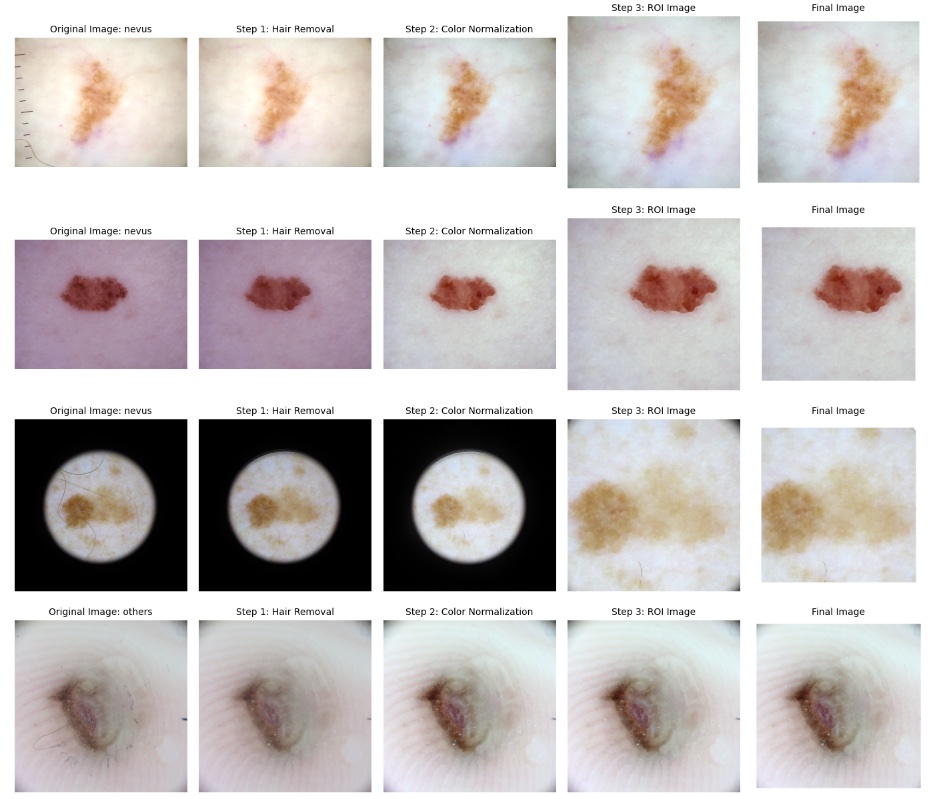
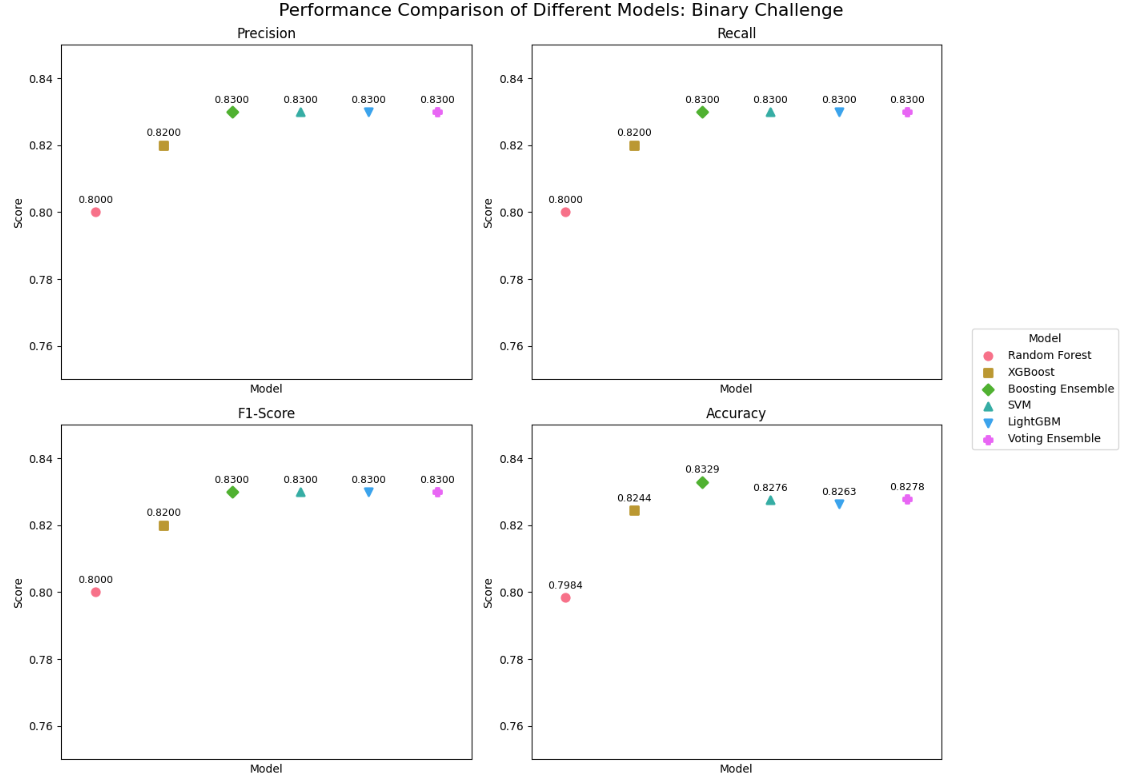
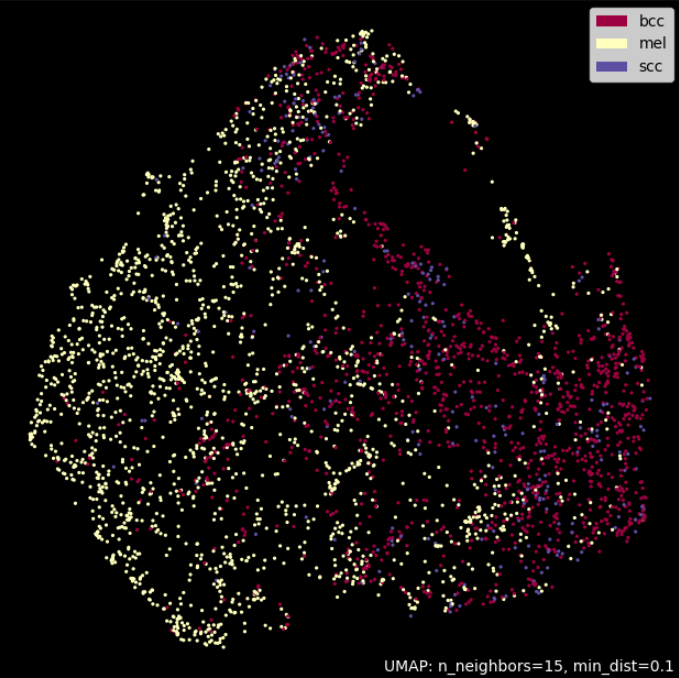
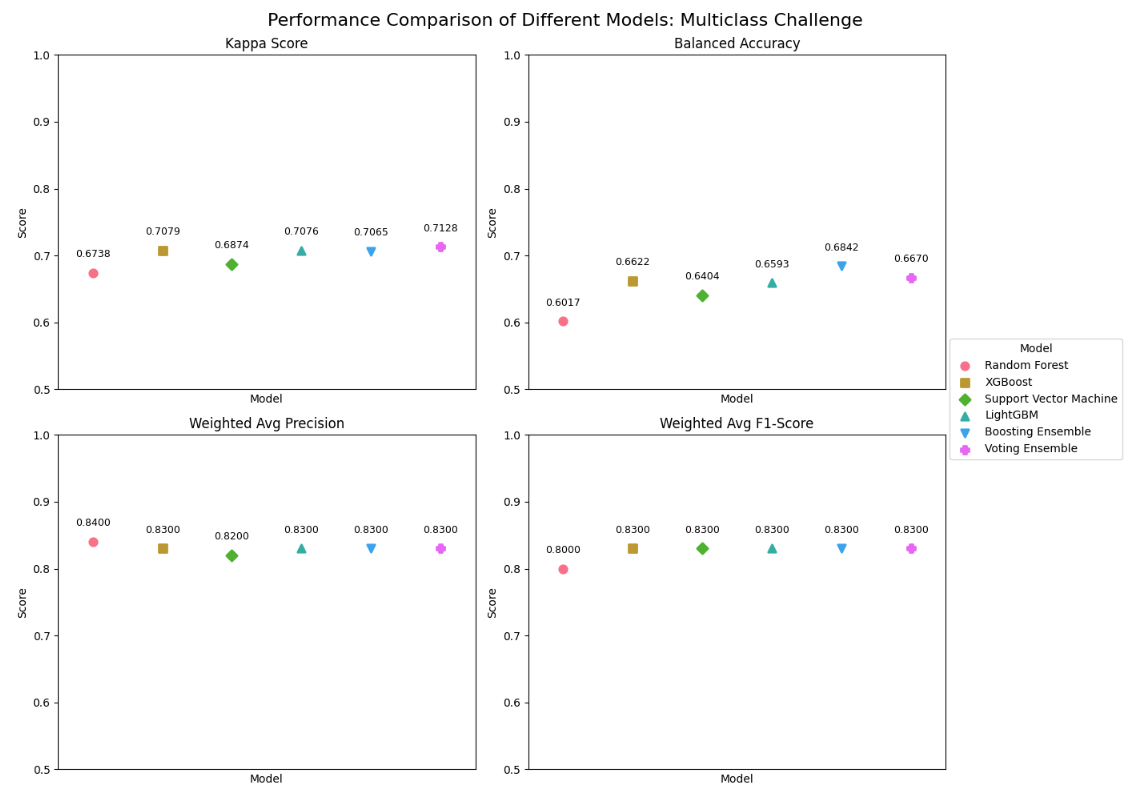 Code Presentation
4D Chest CT Volume Registration: DIR-Lab Challenge (November 2024)
Developed a baseline deformable registration model using elastix for thoracic CT alignment across respiratory phases in COPD patients. Built a deep learning pipeline using VoxelMorph to enhance registration accuracy and benchmark against the baseline.
Keywords: 4D CT Registration, Deformable Registration, Elastix, VoxelMorph, Thoracic CT, COPD
CodeDeep Learning-Based Brain Tissue Segmentation Using U-Net and MRI Data (November 2024)
Developed a U-Net model for CSF, GM, and WM segmentation from IBSR18 MRI scans, with advanced preprocessing, augmentation, and one-hot encoding. Achieved strong Dice scores using a PyTorch pipeline with Weights & Biases for experiment tracking and hyperparameter optimization.
Keywords: Brain Tissue Segmentation, U-Net, MRI, IBSR18, PyTorch, Weights & Biases, Deep Learning
CodeUnsupervised Brain Tissue Segmentation with GMM and EM (October 2024)
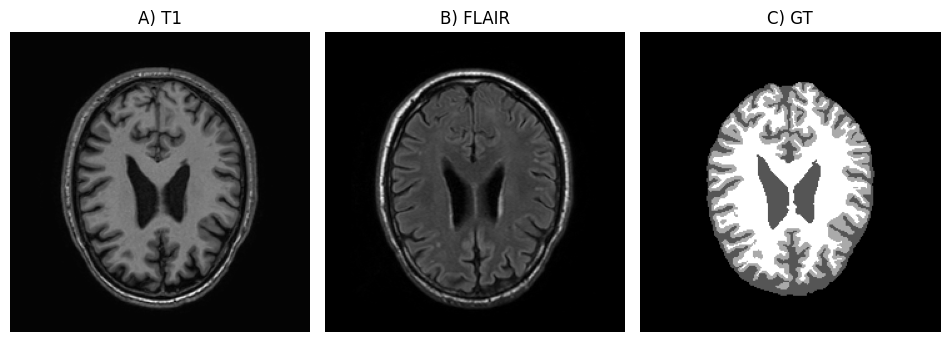
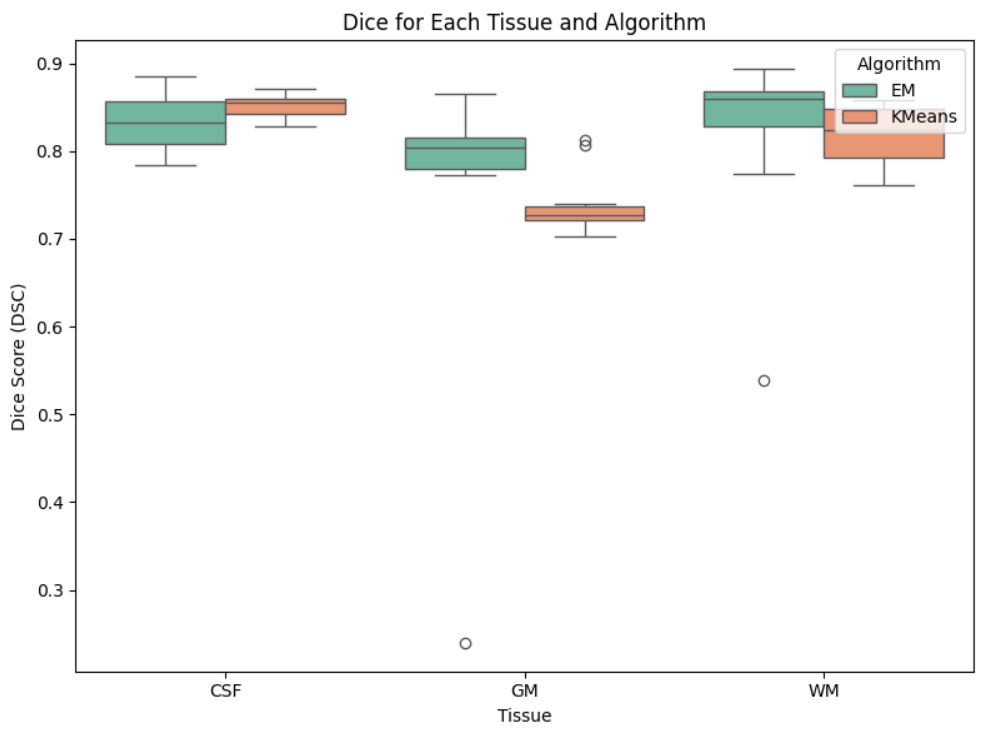
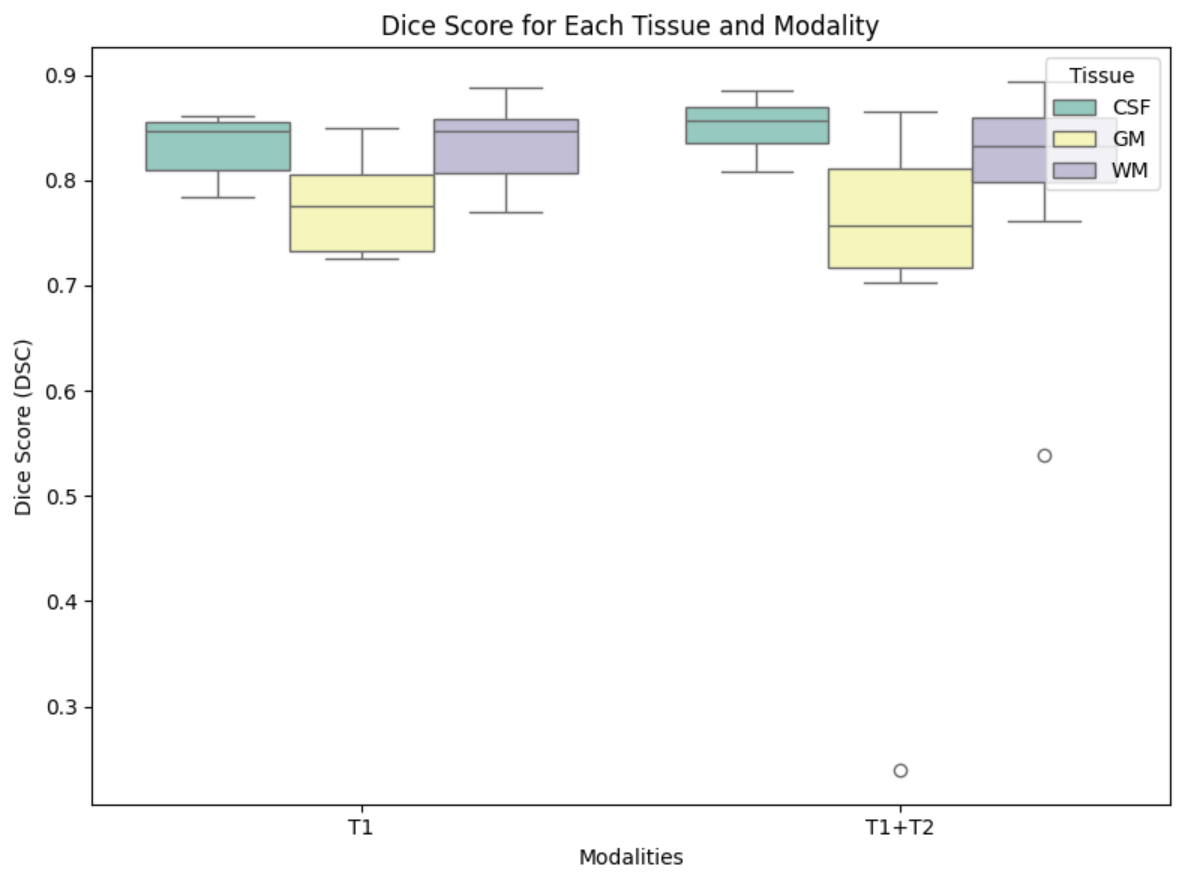
Implemented an unsupervised pipeline for brain tissue segmentation using Gaussian Mixture Models (GMM) and Expectation-Maximization (EM). The pipeline utilizes k-means clustering for initialization and refines segmentation into Grey Matter (GM), White Matter (WM), and Cerebrospinal Fluid (CSF). The method was evaluated using Dice similarity scores, highlighting challenges and improvements across T1 and T2_FLAIR MRI images.
Keywords: Brain Tissue Segmentation, MRI, Gaussian Mixture Models, Expectation-Maximization, Dice Similarity, Medical Imaging, Grey Matter, White Matter, CSF
 Code Report
Atlas and Tissue-Model Guided Gaussian Mixture Models for Brain Tissue Segmentation (October 2024)
Implemented a comprehensive brain tissue segmentation pipeline for MRI images, combining Gaussian Mixture Models (GMM) with atlas-based and tissue probability models. The method integrates spatial and intensity information to segment brain tissues into Grey Matter (GM), White Matter (WM), and Cerebrospinal Fluid (CSF). Segmentation accuracy was evaluated using Dice similarity scores, highlighting the benefits of combining spatial and intensity-based approaches.
Keywords: Brain Tissue Segmentation, MRI, Gaussian Mixture Models, Probabilistic Atlas, Tissue Models, Dice Similarity, Medical Imaging, Grey Matter, White Matter, CSF


 Code Report
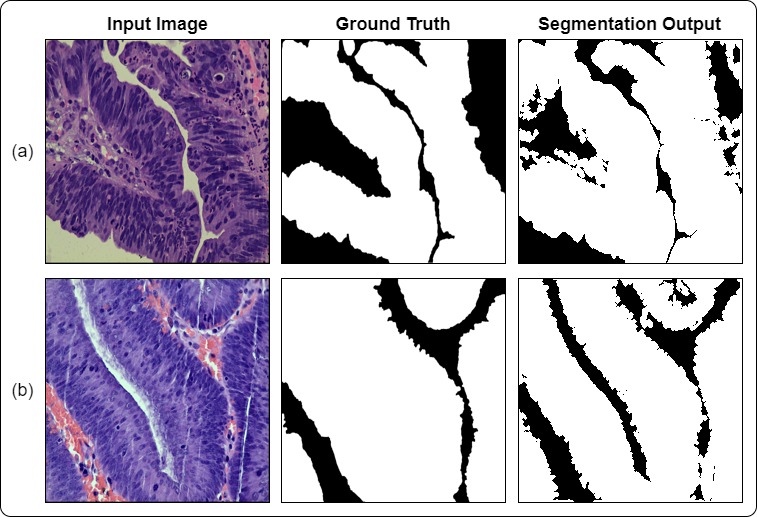
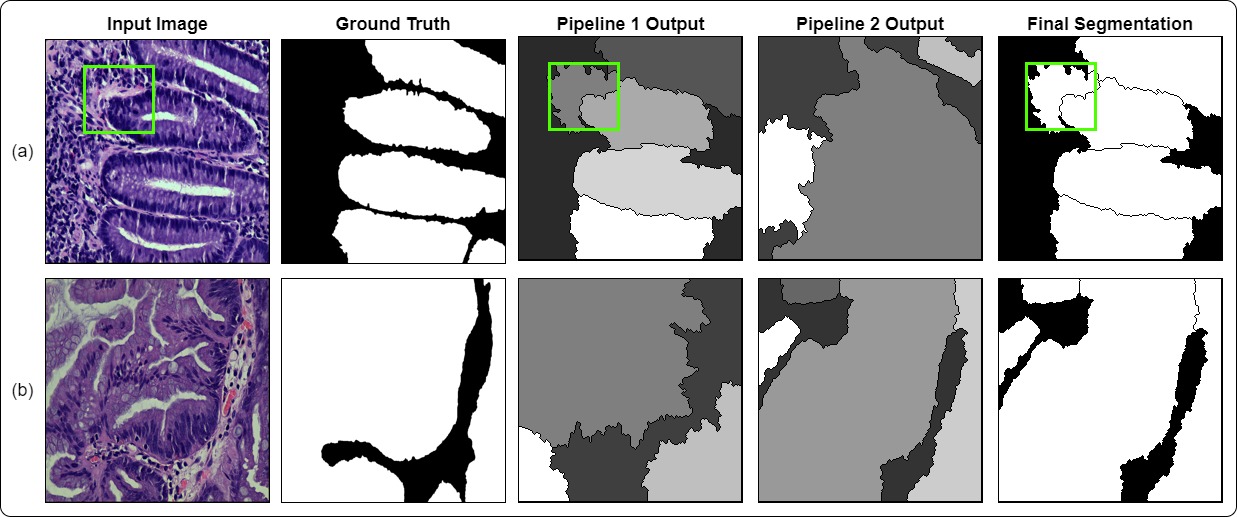
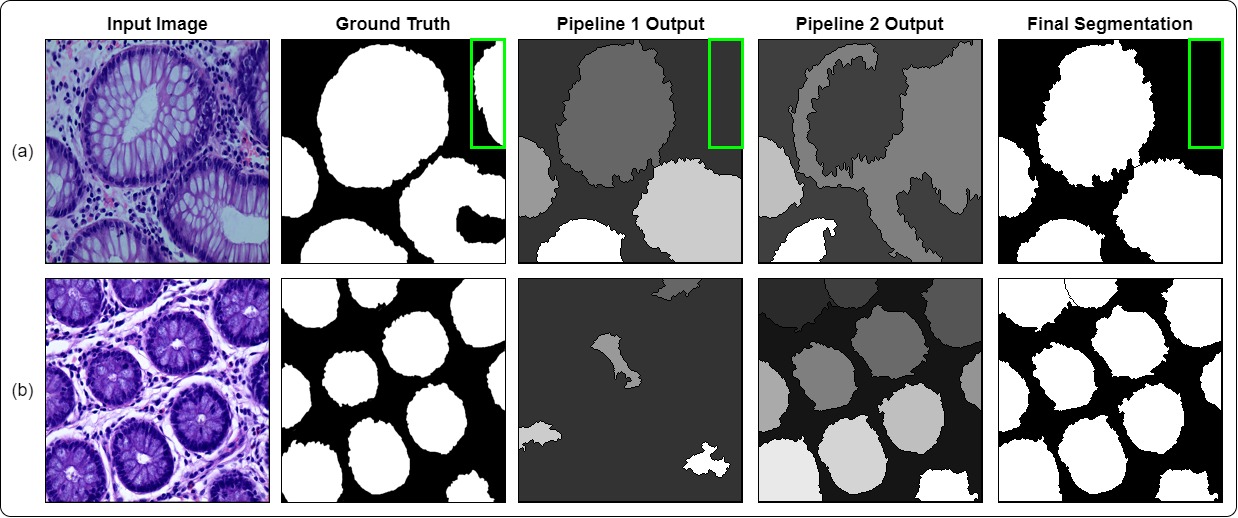
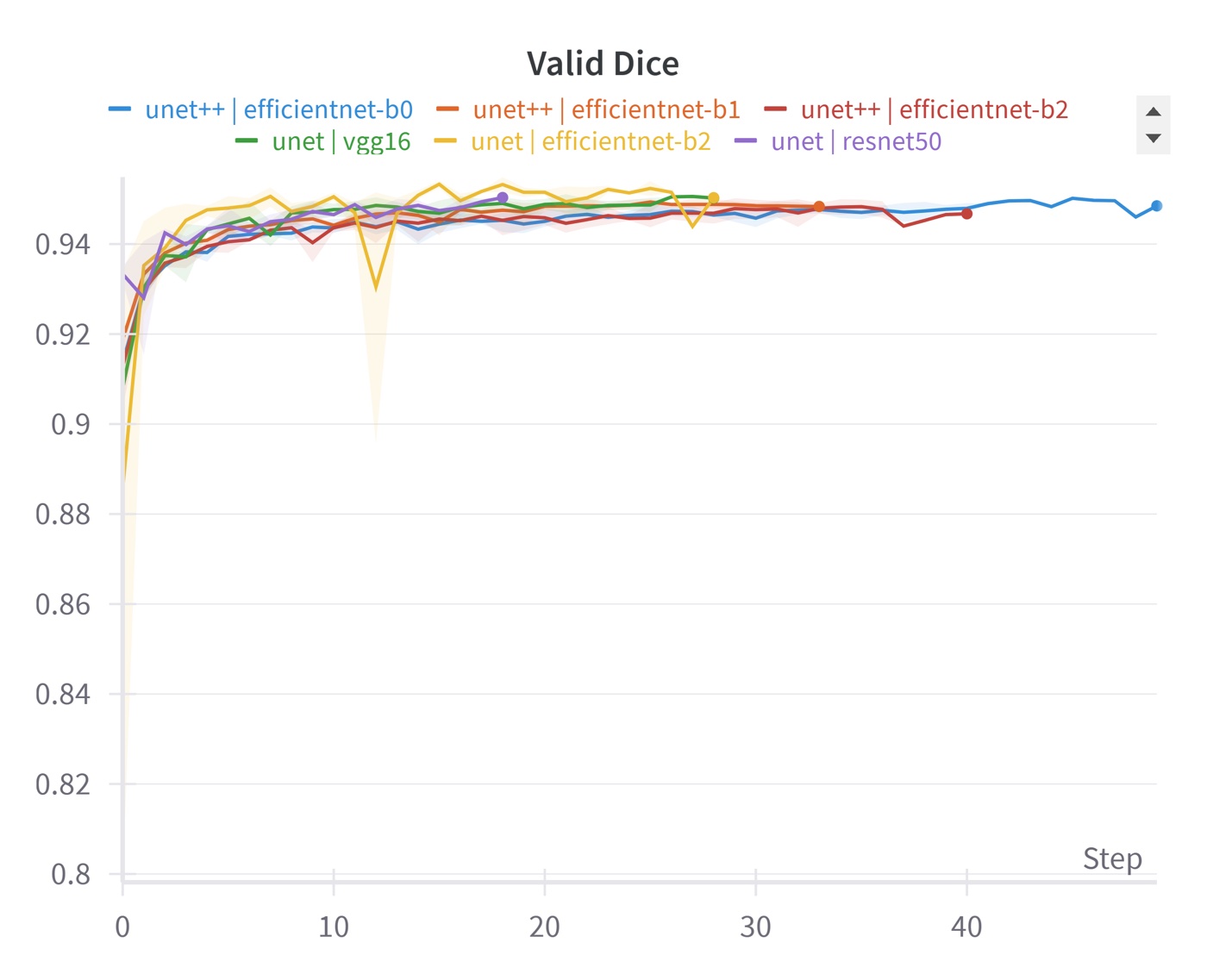
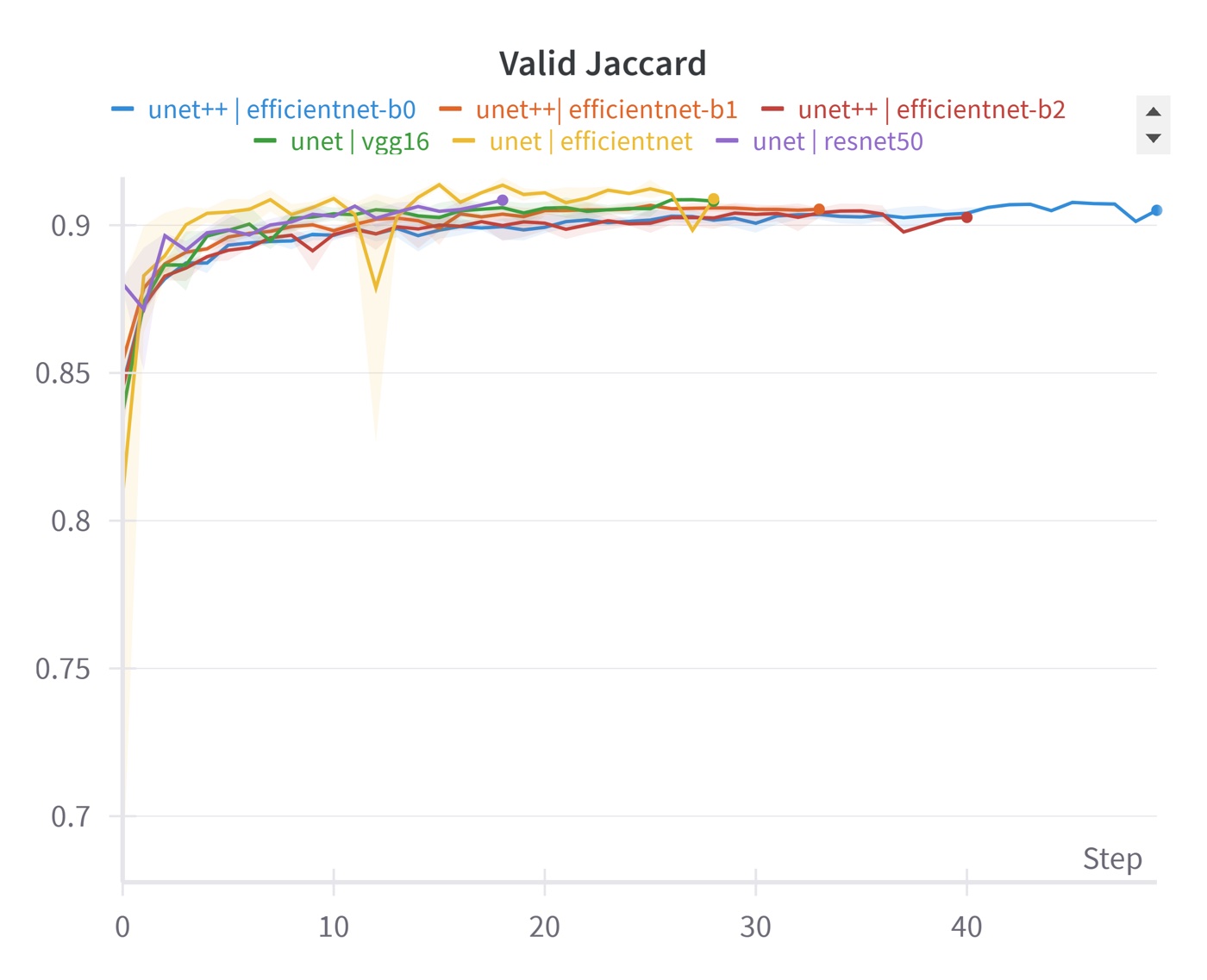
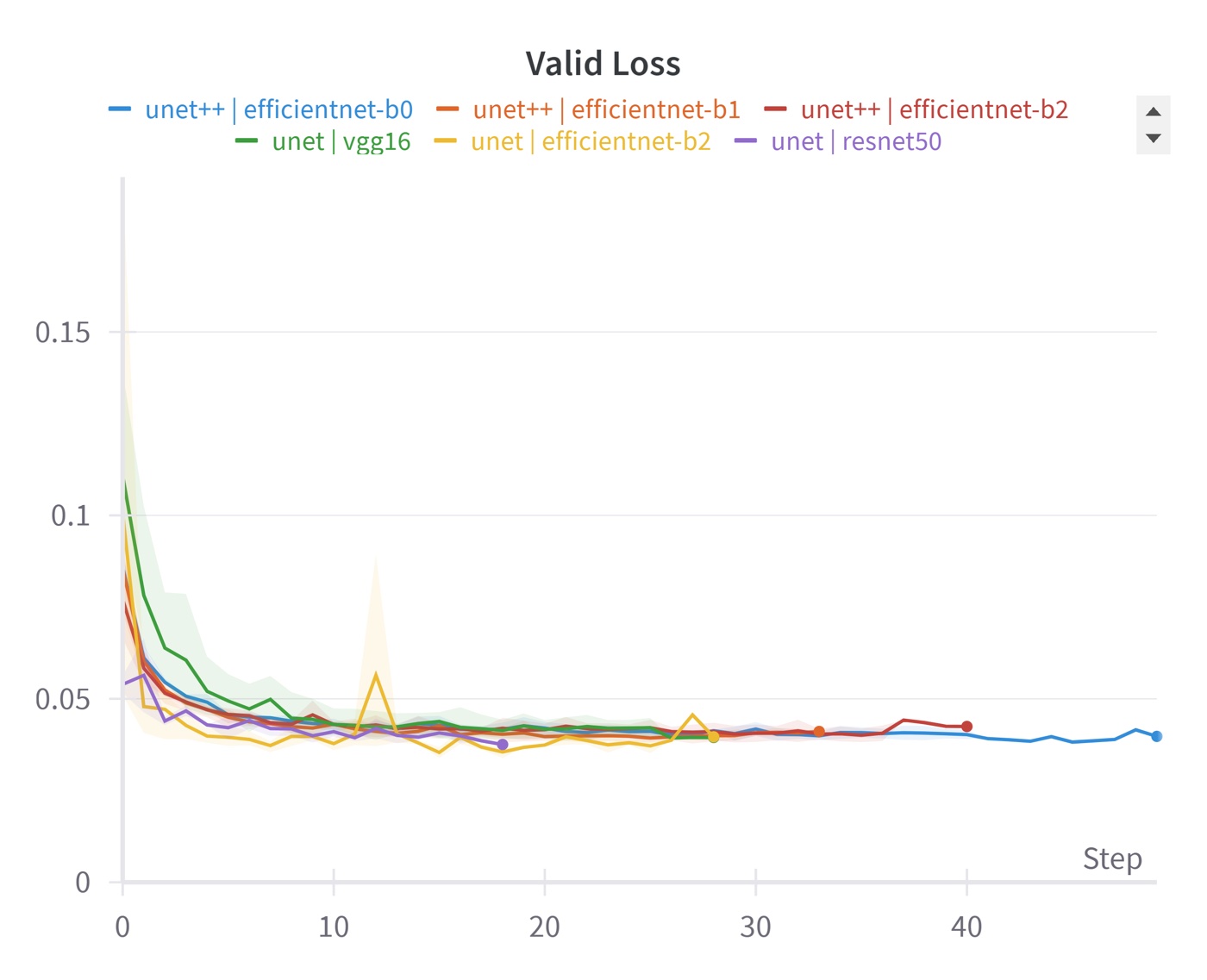
Multi-class Classification and Gland Segmentation of Colorectal Cancer Tissues from Histopathology Images (June 2024)
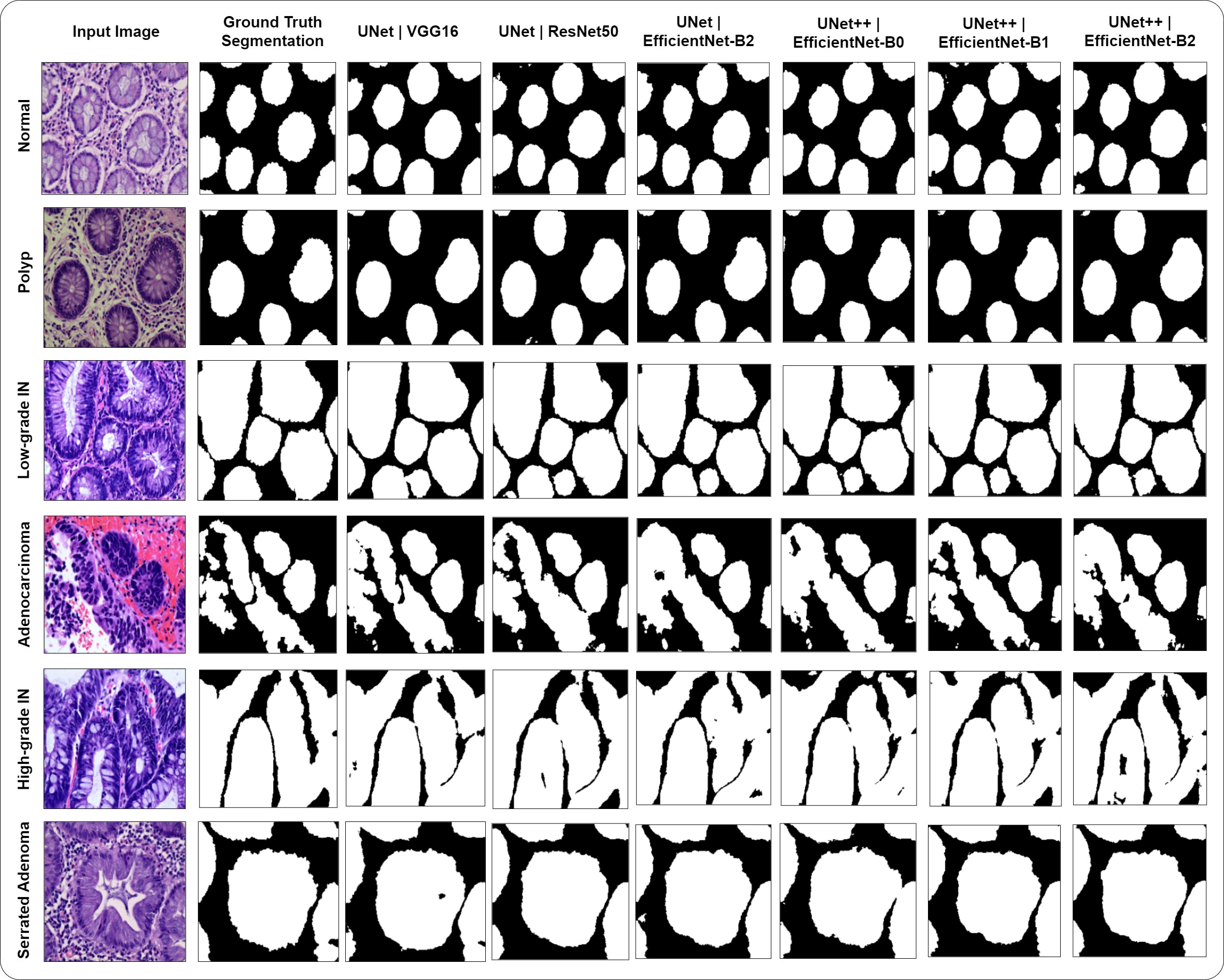
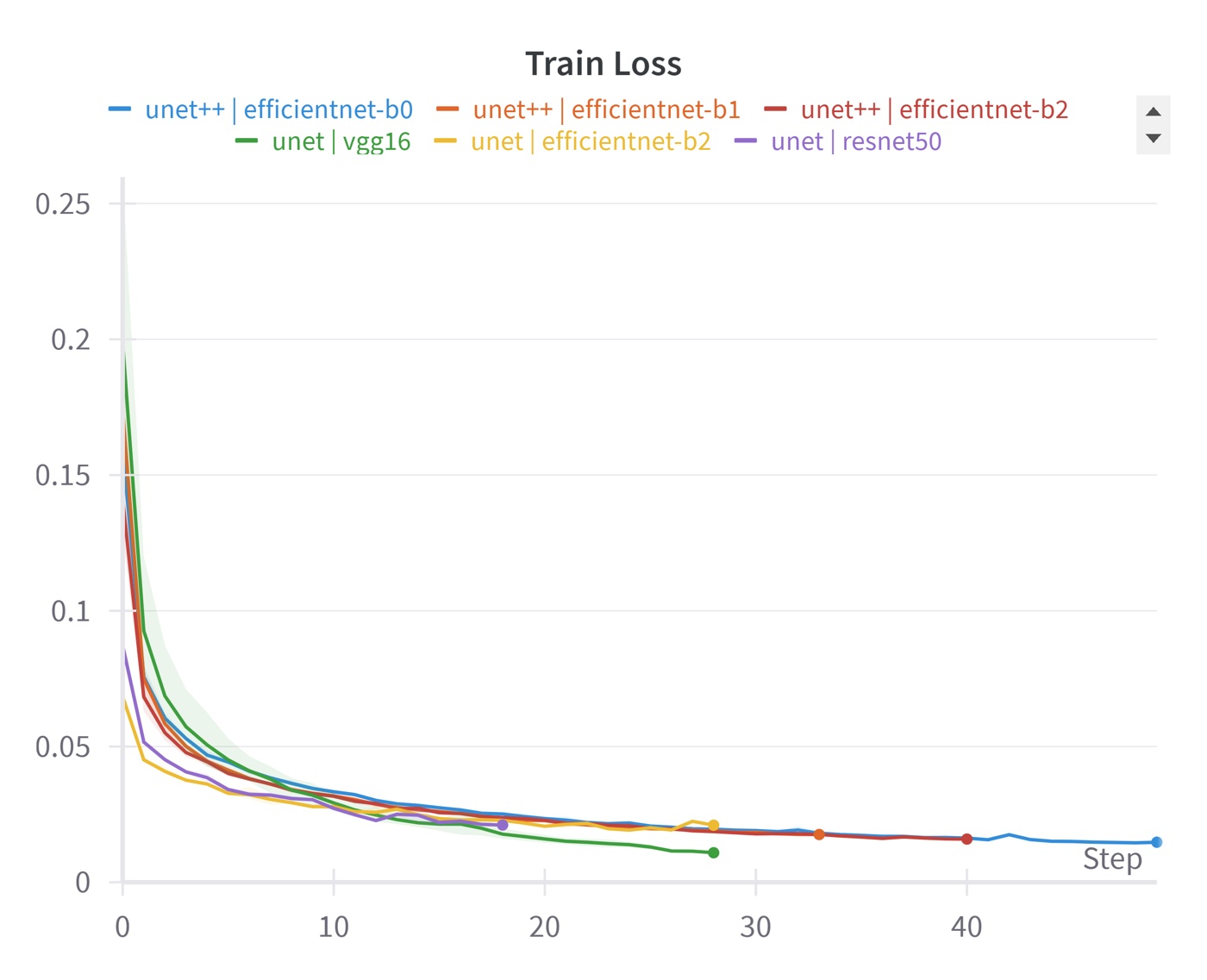
Developed a comprehensive pipeline combining advanced image processing techniques, such as K-means clustering and Watershed algorithm, for precise gland segmentation. Implemented classification of colorectal cancer tissues into multiple categories using both traditional machine learning and deep learning models, achieving high accuracy and robustness in segmentation and classification tasks.
Keywords: Colorectal Cancer, Histopathology Image Classification, Gland Segmentation, Image Processing, Machine Learning, Deep Learning
 Code Report Presentation
Stock Trend Prediction using Machine Learning (May 2024)
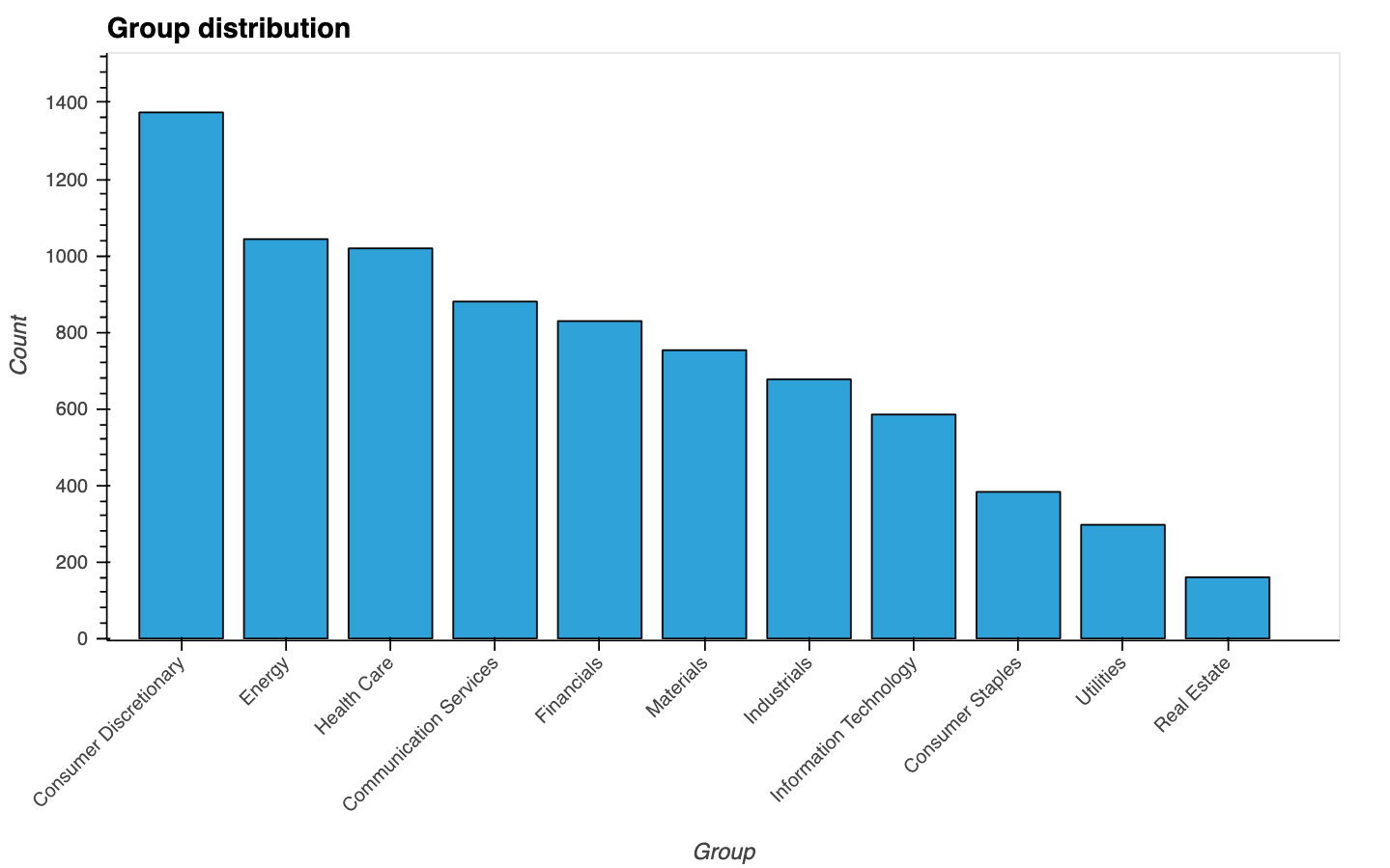
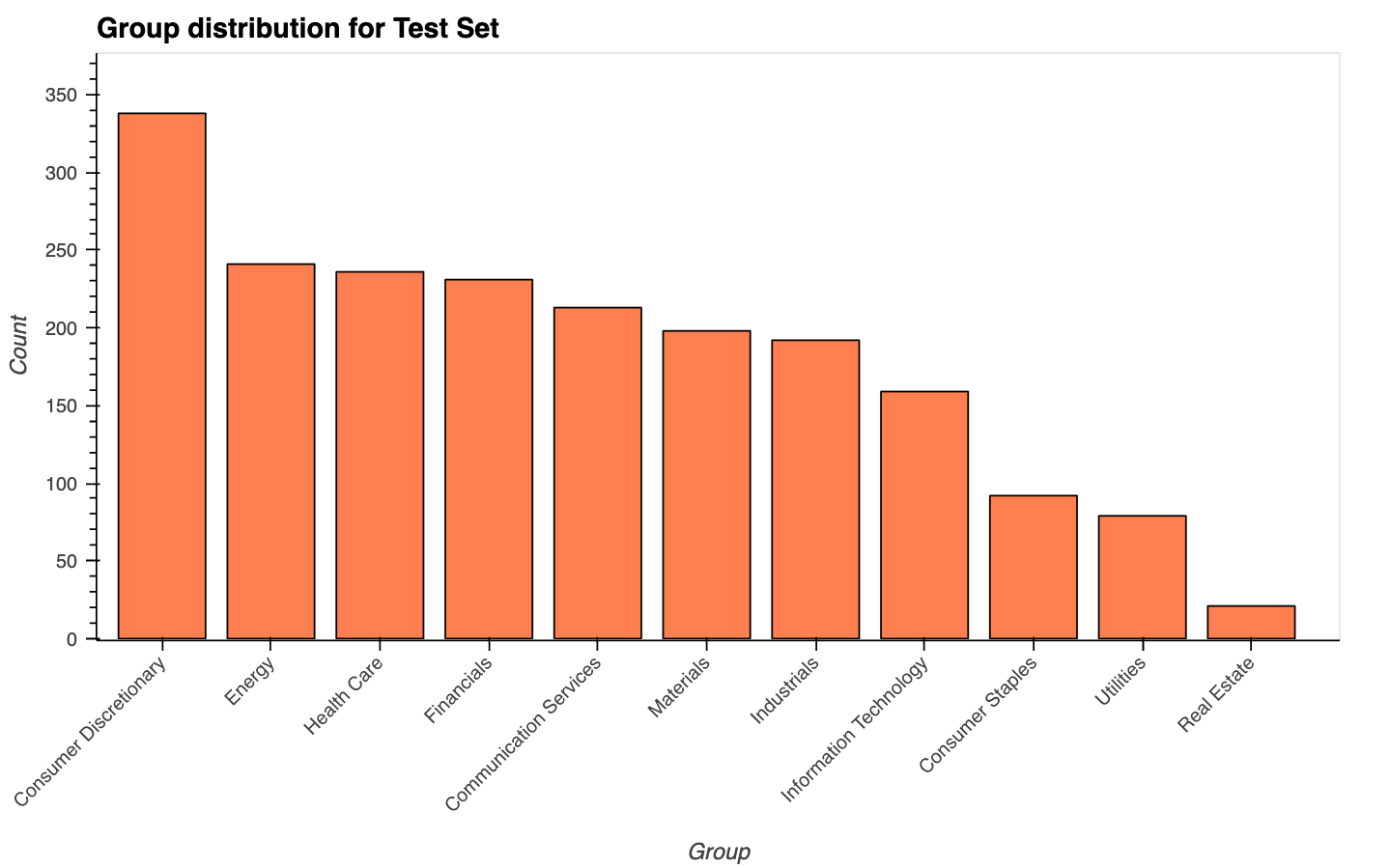
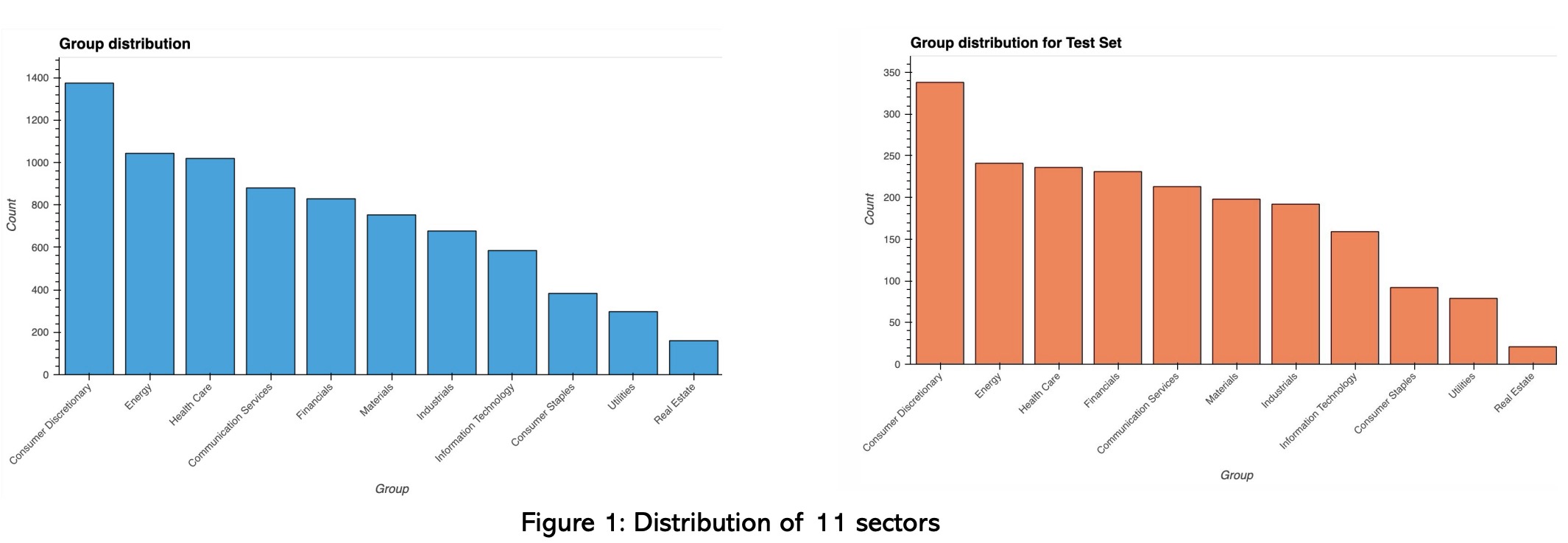
Developed a robust machine learning model to predict stock market trends using historical data from 300 companies across 11 sectors. Employed advanced data preprocessing techniques, including handling missing values with methods like median imputation and missForest. Various machine learning models, such as Random Forest, LightGBM, and Histogram Gradient Boosting, were utilized. The final model, enhanced with hyperparameter tuning using Optuna, achieved a notable error score of 0.7921.
Keywords: Stock Trend Prediction, Machine Learning, Data Preprocessing, Time Series Analysis, Random Forest, LightGBM, Histogram Gradient Boosting, Optuna, Financial Indicators, Imputation Techniques
 Code Presentation
LLM Generated Text Detection System (December 2023)
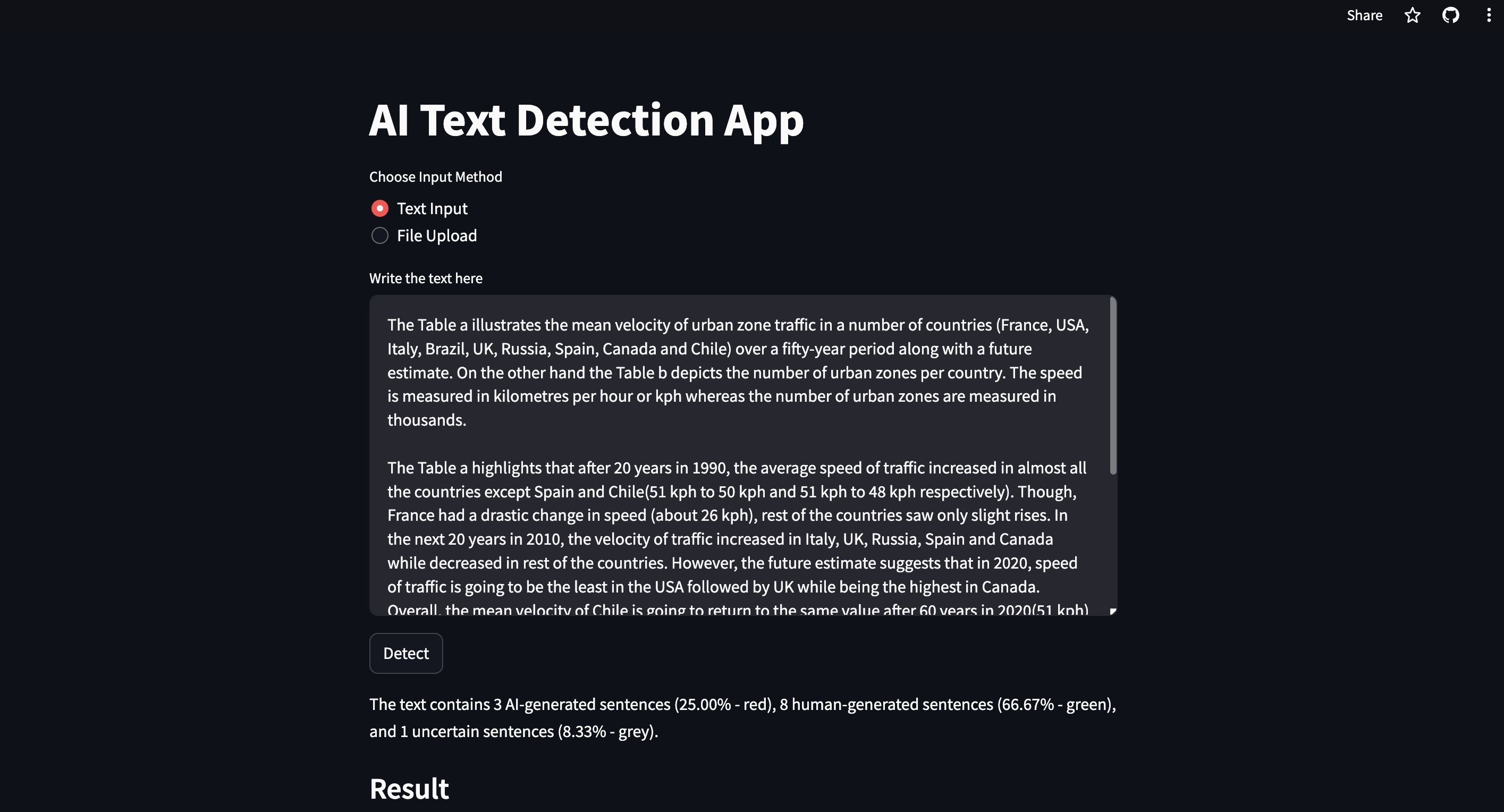
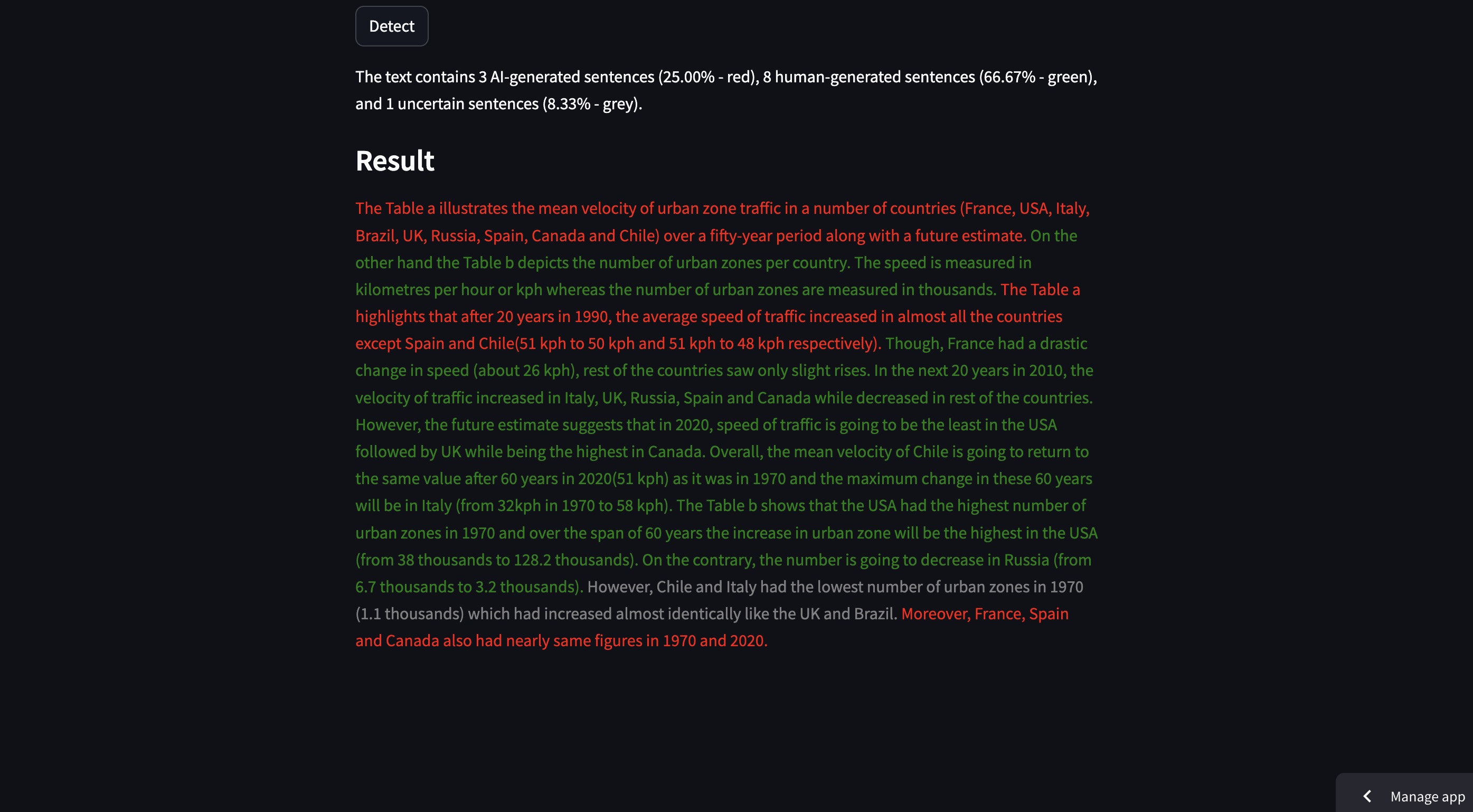
Developed an AI model to detect and classify text within digital documents using Natural Language Processing (NLP) and machine learning techniques. The project aimed to improve the accuracy of text detection in various document formats, including scanned images and PDFs.
Keywords: Artificial Intelligence, Text Detection, Natural Language Processing, Machine Learning

 Code Application